the dubois circle
Founded January 5, 1906
Baltimore, Maryland
L. - R. Caroline Cook, Minnie Gaines, Margaret Hawkins

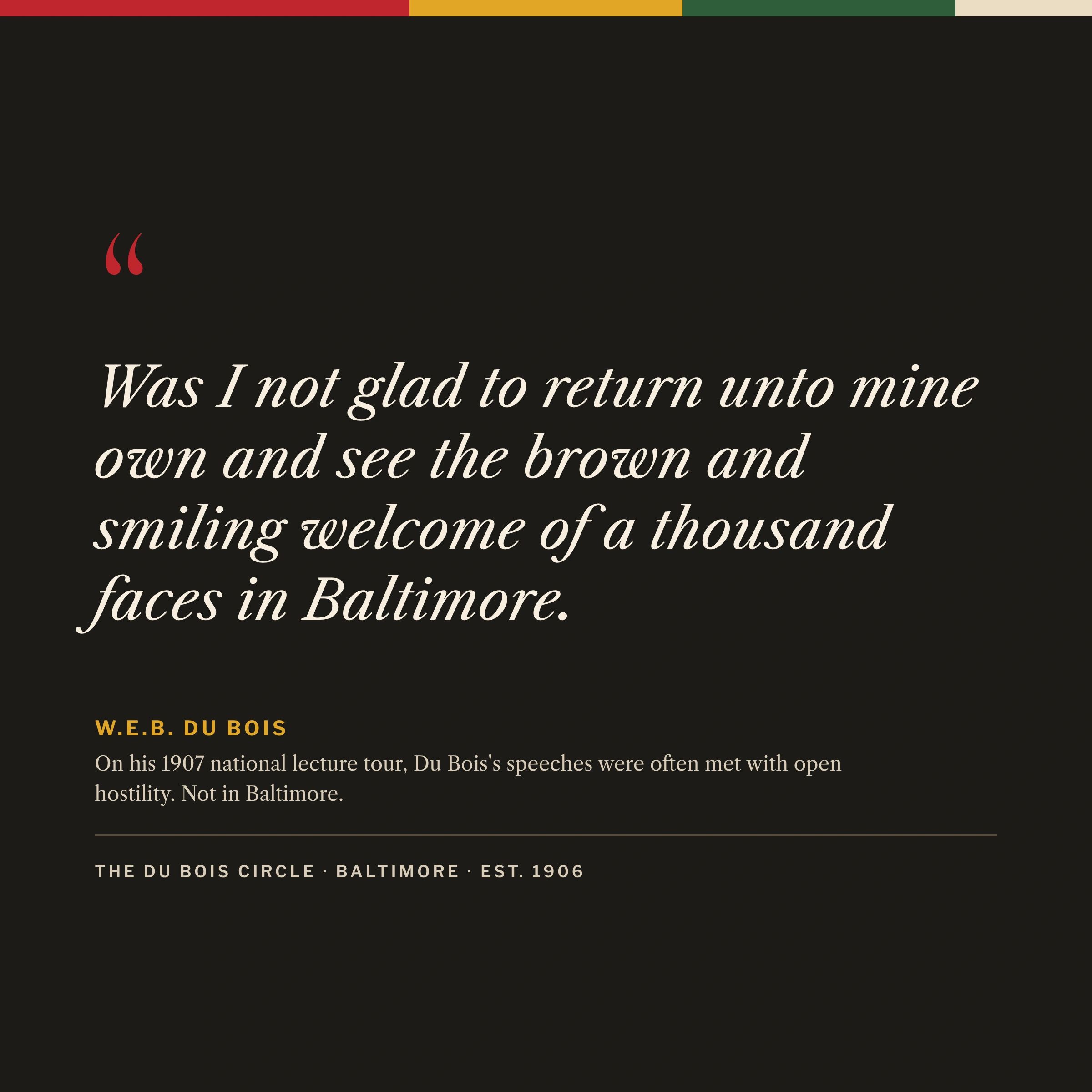
In 1906, a group of distinguished women in Baltimore, Maryland was handpicked to form an auxiliary organization to support Dr. W. E. B. Du Bois and the members of the local branch of the Niagara Movement in their fight against the social, political, and economic injustices faced by African Americans.
In January 1906, these women—Margaret Hawkins, Eva Jenifer, Minnie Gaines, Lelia Waller, and Caroline Cook—formally established The DuBois Circle.
In its early years, the organization defined its purpose as the pursuit of literary study, with meetings centered on discussions of art, culture, and intellectual development. Members gathered monthly in their homes, primarily along Druid Hill Avenue and the surrounding neighborhoods, creating a space for thoughtful dialogue, community building, and collective purpose.
As times changed, so did the work of the Circle. Over the decades, The DuBois Circle has evolved to address the pressing issues of each era, engaging with local, national, and global concerns and examining how its members could contribute meaningfully to social progress. This adaptability has allowed the organization to remain relevant, responsive, and committed to justice for more than a century.
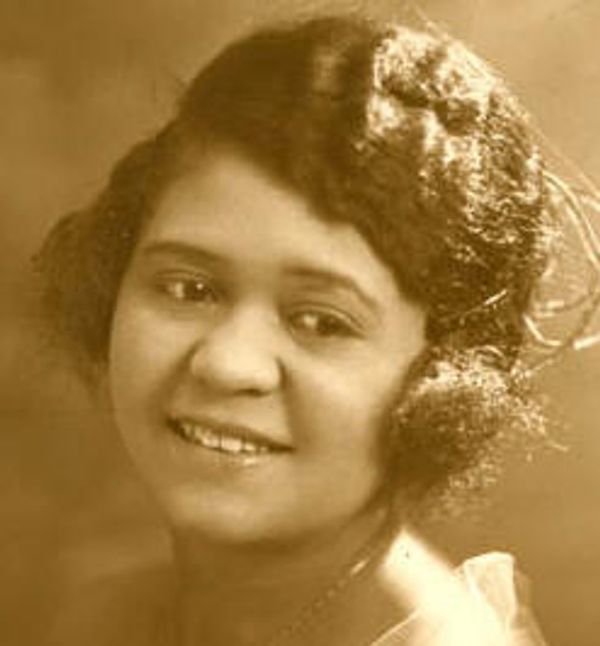
Yolande Du Bois lived life of civic service. She contributed to the work of soial and civil engagement through her works in the NAACP publication of the time. Beyond her visual and literary artistry, she was an educator working in Baltimore at the Frederick Douglass High School and Dunbar High School in Washington, D.C.

The Crisis is the official publication of the National Association for the Advancement of Colored People (NAACP). It features African American commentary on current affairs. In the past, it has also featured African American literature prominently, and was one of the major magazines of the Harlem Renaissance.